

With football season over, roles and responsibilities are changing for the students that were involved. While athletic trainers are well known for their valuable contribution during football games, their jobs do not end with the season. Athletic trainers take part in many different sports to assist the players and gain a variety of experiences.
Football season is the starting point for the trainers. With such a large number of students on the team, all hands on deck is necessary to keep players both safe and ready to compete. This means that trainers get a lot of experience to effectively prepare them for their roles later in the year.
“It was mostly just making sure we were in the right place at the right time and had everything that we needed,” Eliana Vipperman, 12, said.
During practice, trainers were assigned to the different positions of the players to be at the ready with some basic medical supplies and water. Games work similarly, but trainers are instead assigned to offense, defense, water table or timeouts.
“We would go out during the time outs, and we would make sure that when they got off of the field they weren’t bleeding because the turf can scratch them up,” Vipperman said.
Trainers now have to use their experience and new skills to be successful in their upcoming roles during the post football season.
“Because I’m a senior, I have a senior sport,” Vipperman said. “So each of the seven seniors interviewed for a spot as a senior trainer for each sport.”
During the interview process, the trainers meet with the head coach of the sport. Following the interviews, coaches rank the trainers that they would like to work with in order to determine which sport the senior trainers will be assigned to.
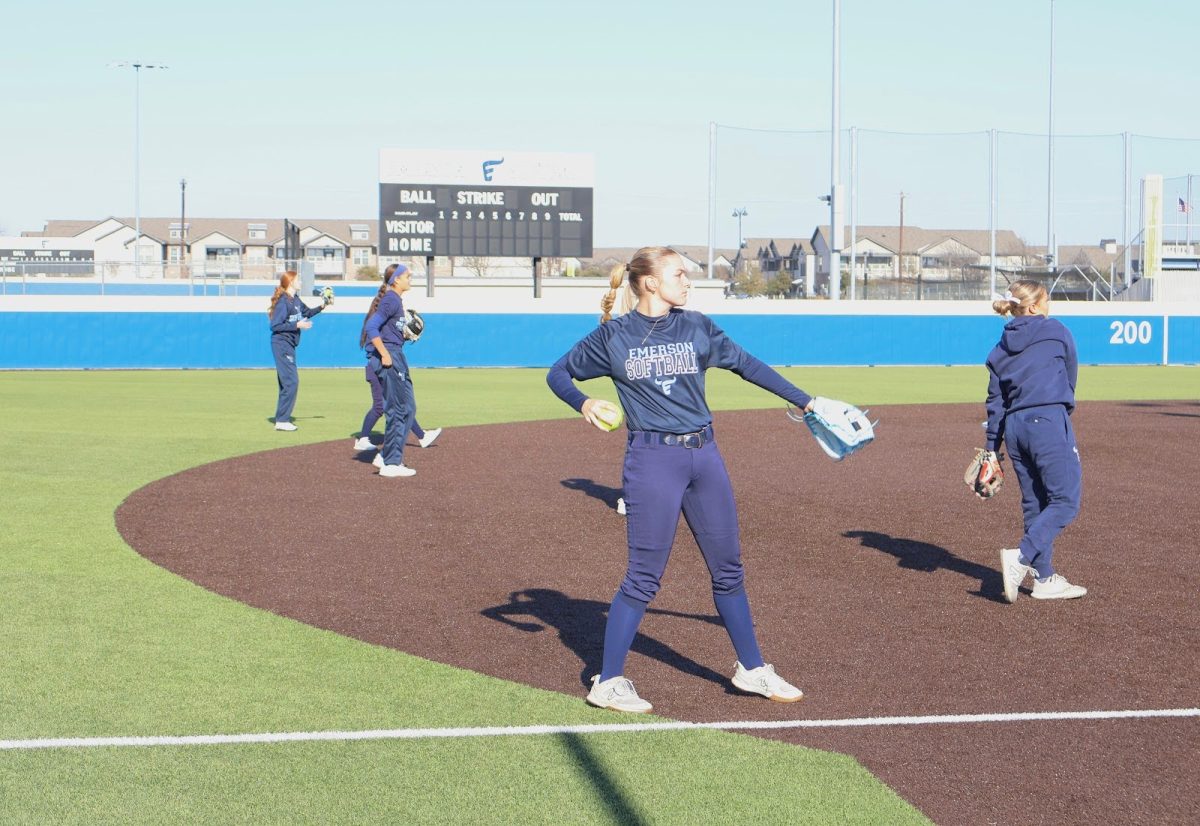
Now that football season has ended, Vipperman will be transitioning over to the softball team.
“I felt like me and Coach Mac really connected well, and I appreciated how grounded she was,” Vipperman said.
Once softball season begins, Vipperman will have to attend each of the games. With the help of a couple underclassmen trainers, her role will remain the same: to ensure the safety of the players during the game.
“If something happens, I’m the point of contact between them in the situation and our actual athletic trainers because I’m still a student athletic trainer,” Vipperman said.
Trainers that aren’t seniors will rotate between sports to enhance their skills. On top of this hands-on practice, trainers must take the sports medicine class either prior to or during their first year as a trainer. Though football season has reached its end, trainers continue to learn, grow and pursue their passion.
“I chose to be a trainer because I’m interested in first aid as a career,” Vipperman said. “[As a trainer] I’ve gotten to see … what first aid would look like in a sports atmosphere.”