
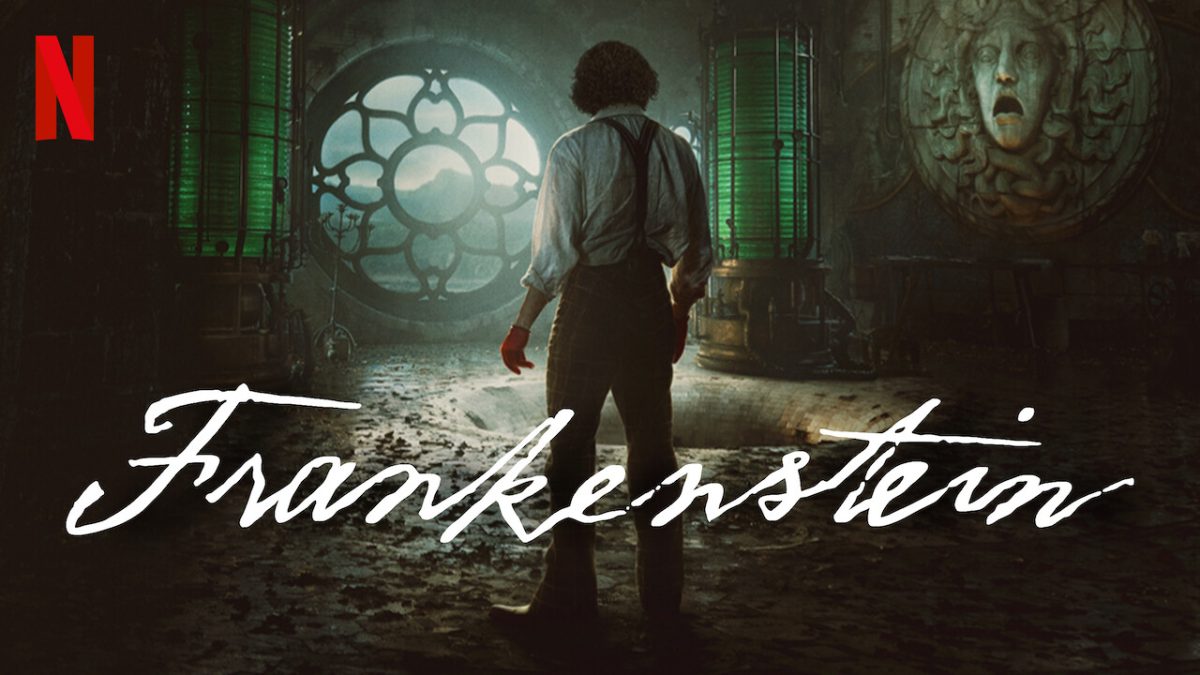
The 2025 adaptation of the “Frankenstein” based on the novel, written by Mary Shelley, is a stunning film waiting for the layers to be peeled back and the complex story fully understood. Director Guillermo del Toro executed his vision for this movie in a way that was unique to him, but also stood faithful to the original narrative.
“Frankenstein”, published in 1818 originally received mixed reviews of disgust and shock, but was popularized through various theatrical productions, spanning over 200 years. “Frankenstein” tells the story of a brilliant but twisted scientist who creates a “monster” made up of various human remains.
In this adaptation, del Toro leans heavily into the gothic and haunting atmosphere that the original novel is known for but he enhances it with a visual richness that only he could deliver. Each scene comes with visuals that pay close attention to detail like dripping candles, echoing stone corridors and a color palette that aligns and shifts with Victor’s disintegrating mental state. Instead of modernizing the setting, the film captivates the viewer in a world that feels both historically grounded but surreal at the same time. This attention to the environment does more than set the tone, but grasps the hidden emotions under the surface of each character.
The performances elevate the narrative even further as Oscar Isaac’s portrayal of Victor Frankenstein shows his early confidence and ambition. Slowly shifting into fear and regret as his creation spirals out of control, his voice and body language change noticeably as the story progresses, making his downfall feel believable. Jacob Elordi, who plays the Creature, gives an equally strong performance. Even through heavy makeup and prosthetics, he brings emotion to every scene, showing the Creature’s hope for understanding and the pain that comes from constant rejection. When Isaac and Elordi share the screen, their tension and sadness create some of the film’s most memorable moments.
The film also succeeds in how it tells the story. Del Toro takes his time with the important scenes, slowing the tempo and allowing viewers to take in the heavy emotions. Flashbacks and small visual details help remind the audience of the novel’s themes about ambition and the dangers of seeking knowledge without responsibility. At the same time, the director adds a few thoughtful changes in dialogue or character motivation that ultimately make the story feel new while still sticking Mary Shelley’s original ideas.
The music and sound design add even more depth to the film. The score shifts between soft sounds to intense, dramatic moments that match the emotions on screen. Paired with practical effects and precise sound design, they help create a world that feels fully alive and convincing. In the end, del Toro’s “Frankenstein” stands out because it highlights that the story is not only about horror, but also about the human emotions at its core, loneliness, responsibility and the endless need to be understood.