
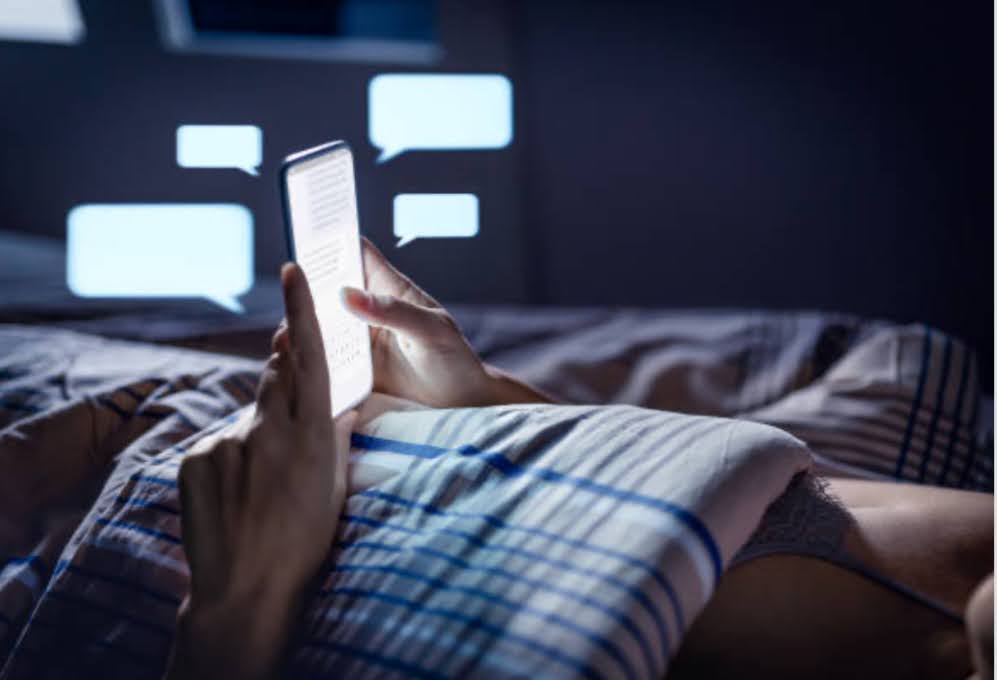
It’s 12:47 a.m., “just five more minutes”, five minutes turn to thirty, an hour later my eyes burn, my head hurts but I keep scrolling through performative and expensive lifestyles that make mine feel smaller. The next morning I’m exhausted and annoyed, yet somehow I repeat the same routine later that night. Social media was created to unify people but for many teens it has done the opposite. It has become a habit that controls our emotions, sleep and even self-worth.
Even though it promises connection, it is quietly damaging our mental health, real-world relationships, harming our physical health and shaping habits that could incredibly impact our future.
Although social media can be harmless, its effect on teen’s mental health is deeper than many people realize. Posting a picture nowadays can feel less like sharing a memory and more like waiting for approval. The endless scrolling, comparison and pressure to appear flawless can create stress that follows us beyond the screen. Instead of simply being ourselves, we carefully manage how others see us. Before posting, many of us overthink captions, angles and filters, just to later delete it because they weren’t “good enough.” This constant fear that you are behind can increase loneliness and insecurity, even though the platform was meant to reduce those feelings.
Social media can also damage the way teens connect in the real world. Many of us can agree that texting and direct messaging is way easier than having a difficult or awkward conversation. I have noticed moments when I was physically present with friends but mentally focused on sending funny videos to the same friends online. While you may feel more comfortable sending a message than talking face-to-face, that comfort can also limit growth. When we replace meaningful conversations with quick reactions and emojis, we lose the deeper bonds that truly support our emotional well-being.
While social media may seem harmless, the effects may not always seem obvious. The sleep deprivation, eye strain and reduced physical activity eventually adds up over time. While it may feel normal to have a slight headache and tired eyes after hours of scrolling, it’s really your body reacting to too much screen time. If you were to ask a wide population of teens if they stayed up late on their phone the previous night, the amount of yes’s would be innumerable. Lack of sleep has become extremely normalized even though it can affect your mood, concentration and overall health. When social media begins to control our well-being, it becomes more than just entertainment but a physical strain on our bodies.
What worries me most is how normal this behavior has become. I didn’t fully understand how much social media was affecting me until I realized that I also don’t remember when I wasn’t on social media. There was a time when I cared more about how many likes I received than a global pandemic when I was only 10 years old. It wasn’t until I made small changes like not posting on social media and watching Youtube and movies instead of endless scrolling. My personal experiences have made me more aware of how powerful social media can be for not only teens but also children. I can’t help but wonder what it will mean for future generations growing up with even more advanced technology.
Social media is not completely evil and it is not going away anytime soon. When social media dominates our time, attention and self-worth that’s when it becomes dangerous. Mental health struggles, weakened relationships and physical exhaustion are not small issues, they are warning signs. Everyday we risk raising a generation that measures worth by followers instead of character. We still have time to make changes but that requires honesty and self-awareness instead of letting social media shape us. We must take control and decide how it fits our lives, not the other way around.